


What Is Branding Photography? Why the Best Images Start Before the Camera Comes Out
Most people are surprised by the first question I ask during a branding consultation.
It isn’t:
“Where do you want to shoot?”
Or,
“What should you wear?”
Instead, I ask something much simpler.
If you could only keep one image from this session and hang it in your office for every client to see, what would you want that image to say?
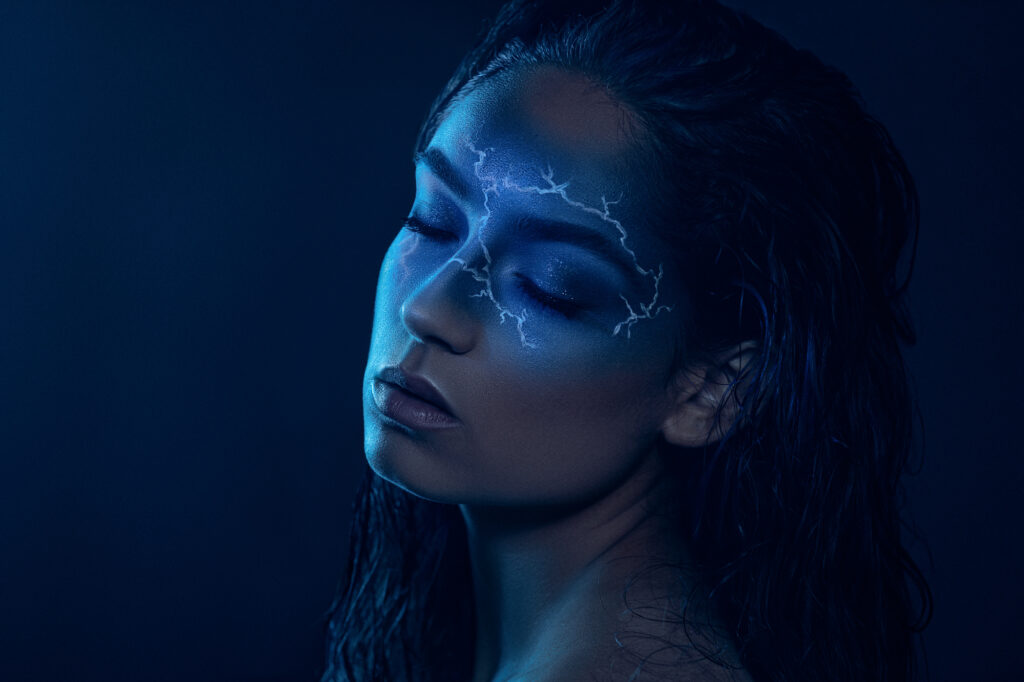
That question usually changes the conversation.
We stop talking about photography and start talking about purpose.
We talk about confidence, trust, creativity, craftsmanship, strength, passion, and the people you want to attract.
Because that’s what branding photography is really about.
It’s not about taking professional photos.
It’s about intentionally creating images that communicate something before you ever say a word.
What Branding Photography Really Is
Many people think branding photography is just a collection of professional headshots.
A few photos smiling at the camera.
Maybe one looking at a laptop.
One holding a coffee mug.
A few lifestyle images for social media.
There’s nothing wrong with those photos.
But they don’t necessarily communicate who you are or what makes your business different.
Real branding photography starts much earlier.
Before the camera comes out, we need to understand your business, your audience, and the impression you want people to have when they see your images.
Every decision after that should reinforce the same message.
Every Image Is Communicating Something
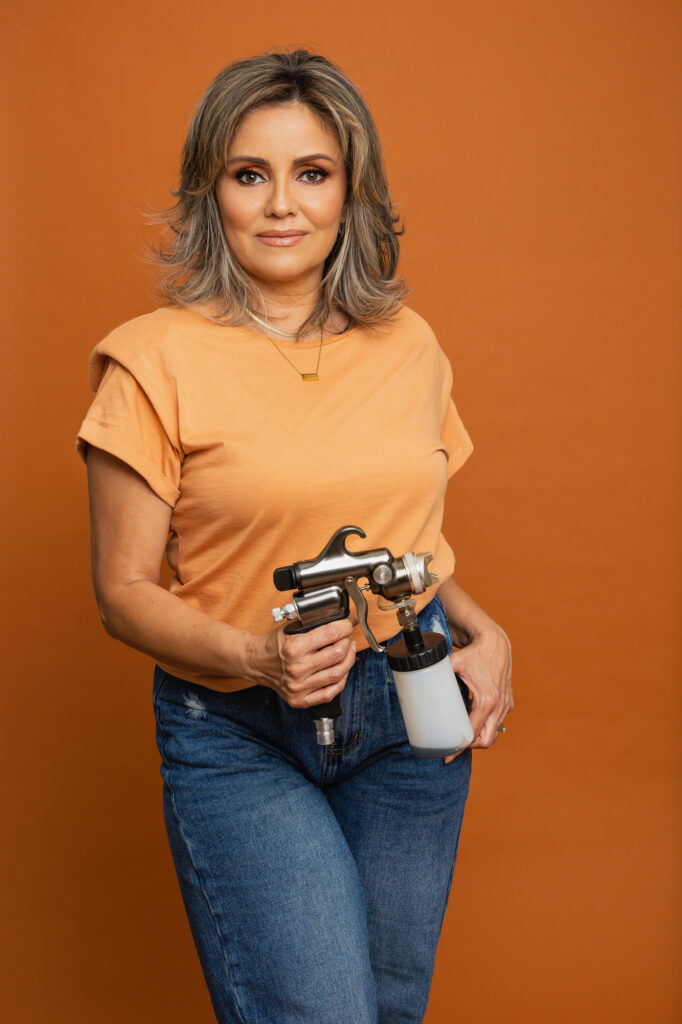
Whether you realize it or not, every portrait communicates.
The lighting communicates.
The colors communicate.
Your body language communicates.
The location communicates.
Even the direction you’re looking can influence how someone perceives you.
So why leave any of those decisions to chance?
If your goal is to attract the right clients, your portraits shouldn’t simply look good.
They should make people feel something about your brand.
We Start With Questions, Not Cameras
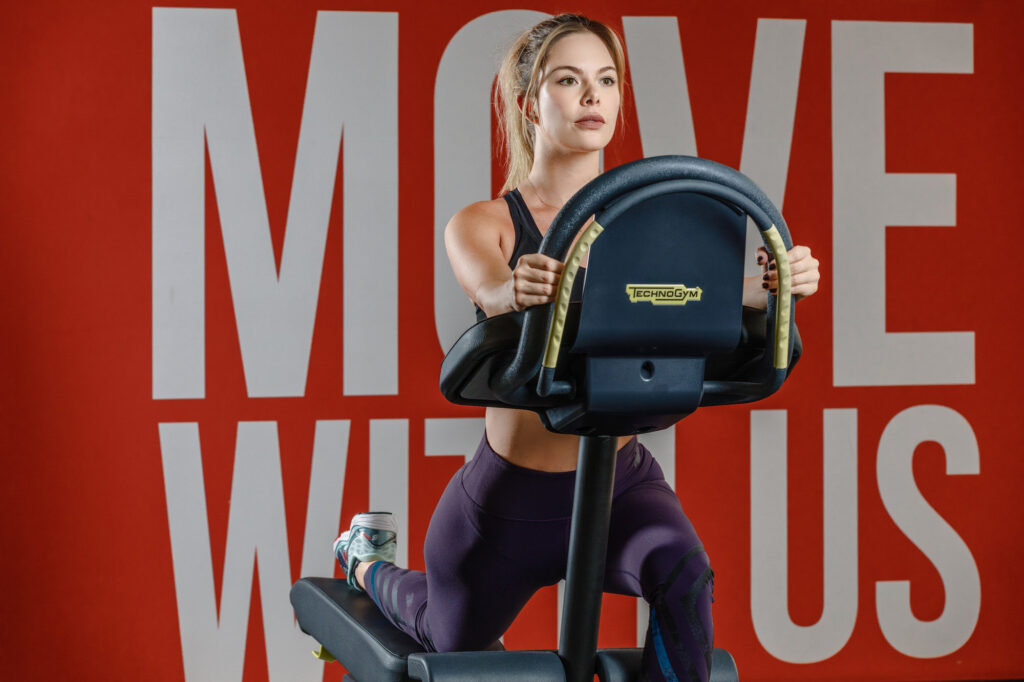
Before we plan a session, I want to understand what you’re trying to communicate.
Some of the first questions I ask include:
- What do you want people to feel when they see these images?
- Who is your ideal client?
- What type of work do you want to attract?
- What are your brand colors?
- Where will these images be used?
- If someone only saw one photograph of you, what would you want them to remember?
Those answers become the blueprint for everything that follows.
Photography is simply the tool we use to bring that vision to life.
Lighting Is More Than Light
One of the reasons I love photography is because of what I learned from film.
In movies, lighting isn’t just there so you can see the actors.
It creates emotion.
It builds tension.
It changes how we feel about a character before they ever speak.
Portrait photography works the same way.
A fighter preparing for a competition probably shouldn’t be photographed with soft, airy lighting.
More dramatic light can emphasize strength, determination, and intensity.
A coffee company may benefit from warm tones and natural morning light that communicate comfort and craftsmanship.
A luxury realtor may need bright, elegant spaces that feel open and refined.
A musician may need something completely different.
There isn’t one lighting setup that works for everyone.
There is only the lighting that best supports the message.
Creativity Without Intention Becomes Noise
One thing people sometimes assume is that planning limits creativity.
I’ve found the opposite to be true.
Planning gives us direction.
Once we know the destination, we’re free to experiment.
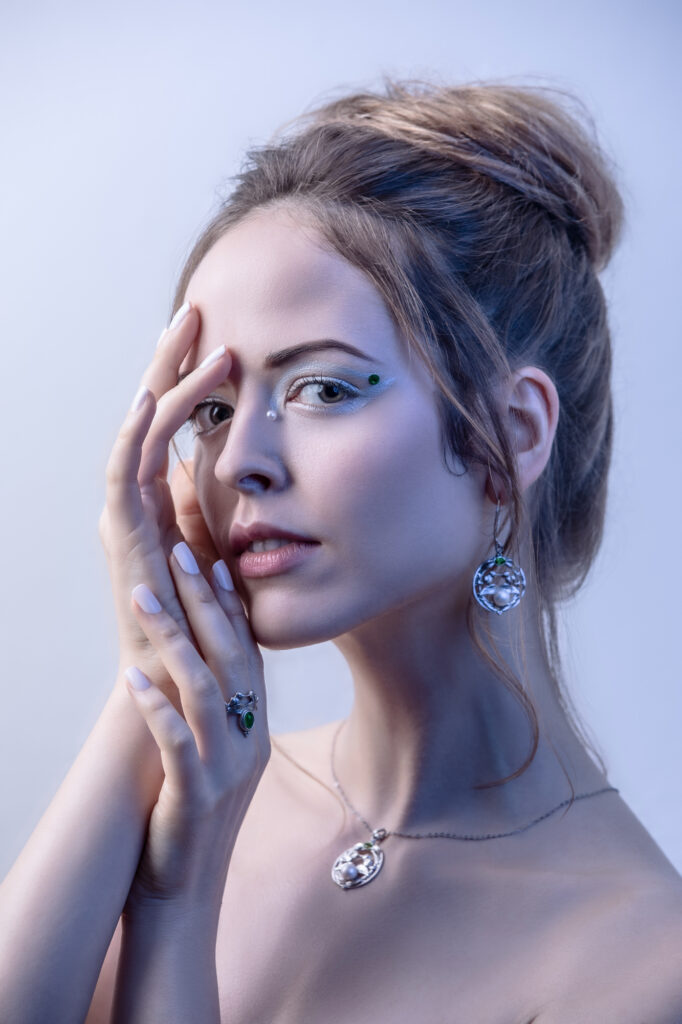
Even during our own creative projects, Tabitha and I are constantly moving lights, changing poses, adjusting colors, and trying new ideas.
Sometimes the unexpected solution becomes the strongest image.
Planning doesn’t remove creativity.
It gives creativity a purpose.
Why Every Creative Choice Matters
Lighting isn’t the only storytelling tool.
Everything works together.
Wardrobe.
Hair and makeup.
Color.
Expression.
Body language.
Location.
Composition.
None of those elements exist on their own.
If one doesn’t support the overall vision, the portrait starts sending mixed messages.
That’s why I don’t believe in using the same formula for every client.
A financial advisor, tattoo artist, therapist, fitness coach, and luxury realtor all need to communicate something different.
Their portraits should reflect that.
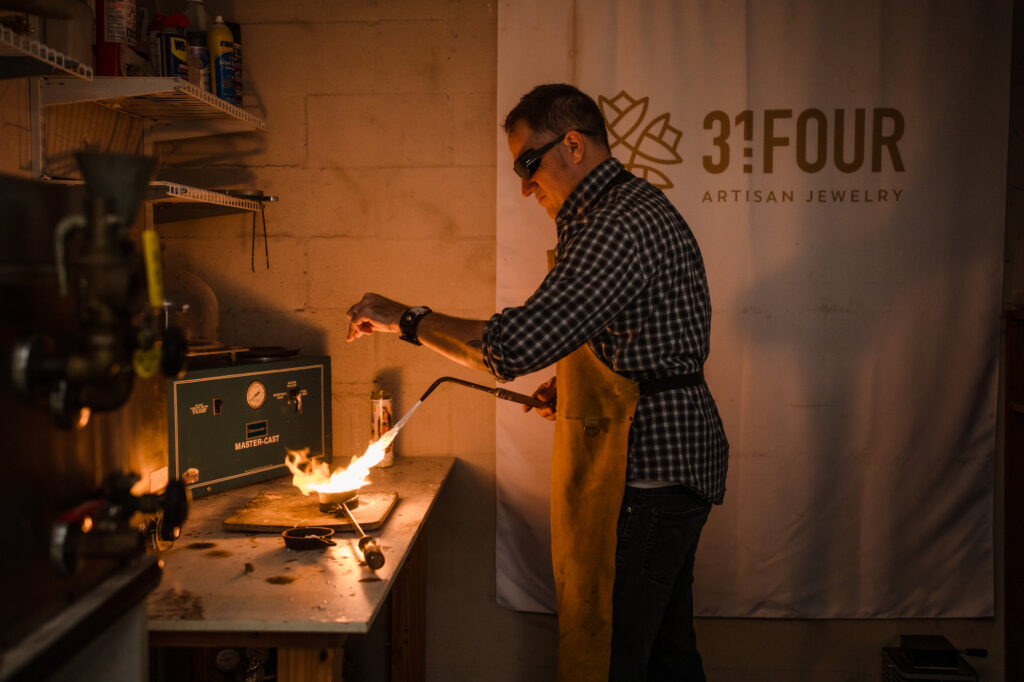
The Best Ideas Sometimes Happen During the Session
One of my favorite examples came from a commercial product shoot.
The original plan was straightforward.
Create influencer-style product photos.
Halfway through the session, the client asked if I had another idea.
The product centered around music and colorful lighting, so we decided to lean into that identity instead of ignoring it.
We introduced colored lighting, more movement, and a more energetic visual style.
The final images felt authentic to the product instead of generic.
Later, the client used that visual direction as the inspiration for an entire commercial campaign.
That’s why I always leave room for collaboration.
A plan gives us direction, but creativity is still part of the process.
More Than a Photographer
People often ask what makes Art by Light different.
Part of the answer is simple.
We genuinely enjoy creating.
Photography isn’t something we only do for clients.
It’s something Tabitha and I continue exploring because we love the craft.
She’s much more than the makeup artist.
She’s another creative voice throughout the process.
She notices details.
She helps clients feel comfortable.
She makes sure they look like the best version of themselves while also helping shape the overall direction of the session.
The best ideas rarely come from one person.
They come from collaboration.
What Success Looks Like
At the end of a session, I don’t judge success by how many images we created.
I judge it by one reaction.
I want a client to look at their portraits and say,
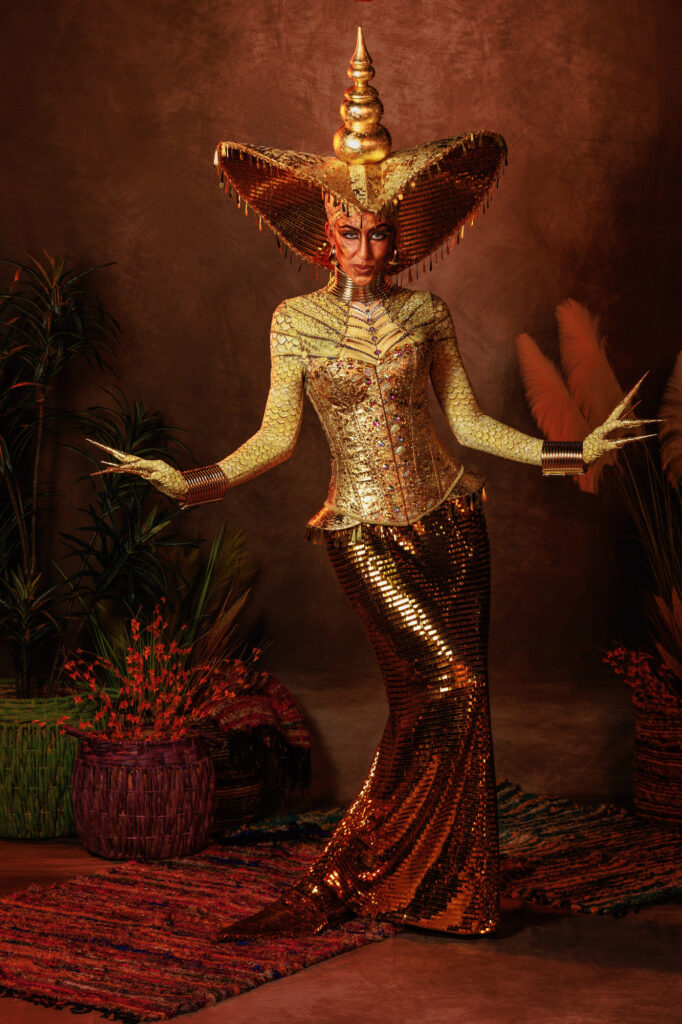
“That’s exactly what I had in my head.”
Or,
“That’s exactly how I want my clients to see me.”
When that happens, we’ve done much more than create a nice photograph.
We’ve created an image that communicates.
Final Thoughts
Everyone has something they’re passionate about.
A business.
A product.
A craft.
A mission.
Our job isn’t to change who you are.
Our job is to understand your vision and create images that help other people understand it too.
Because photography isn’t about capturing a quick image.
It’s about intentionally creating something that represents your passion, your purpose, and the message you want to share with the world.
That’s what branding photography means to us.
And that’s what we strive to create every time someone walks into our studio.

